
10 hr
Hokkaido Natural Wonders: Noboribetsu, Lake Toya & Cape Chikyu Day Trip
Journey through volcanic valleys, coastal cliffs, and crystal lakes on a full-day escape from Sapporo
Reserve
Hand-picked by our editors — only the best 5 volcanic landscape tours from 18 reviewed.
Verified partners for every tour, free cancellation where available, and instant confirmation on every booking.
10 hr
Journey through volcanic valleys, coastal cliffs, and crystal lakes on a full-day escape from Sapporo
Reserve
24 hr
Journey through Hokkaido's volcanic landscapes, serene caldera lakes, and steaming geothermal valleys
Reserve
10 hr
Explore steaming geothermal valleys, coastal cliffs, and crystal spring parks on this guided day trip from Sapporo
ReservePrices from verified partners. Availability updates in real time at checkout. Free cancellation policies apply where shown.
The landmarks, rooms, and views travelers on this tour remember — all visible on a single visit.
An active volcano with accessible trails and steam vents that defined the region’s landscape.
They complement each other; most visitors who do both call Lake Toya the more accessible destination for a comprehensive noboribetsu lake toya tour from sapporo tour experience.
| Feature | Top pick Lake Toya | Lake Shikotsu |
|---|---|---|
Primary Feature |
Volcanic caldera and hot springs | |
Accessibility from Sapporo |
120-150 minutes by bus/car | |
Onsen Facilities |
Extensive lakeside hotel resorts | |
Sightseeing Cruise |
Available year-round | |
Tourist Infrastructure |
Highly developed town center | |
Atmosphere |
Resort-style and active | |
| See tickets → |
Verdict: Lake Toya offers better developed noboribetsu lake toya tour from sapporo tickets and infrastructure, whereas Lake Shikotsu provides a quieter, more pristine environment for travelers seeking noboribetsu lake toya tour from sapporo tours.
Choose your ticket, select your date, and reserve in under two minutes. Secure checkout handled by our verified partner.
Instant confirmation by email, with a mobile voucher you can save offline. No printing, no queuing at a collection desk.
Arrive at the entrance, show your voucher on your phone, and walk in. Most tickets include priority or skip-the-line access.
Practical details for your visit straight from our verified partners — hours, access, rules, and how to get there.
Casual outdoor attire is recommended for a noboribetsu lake toya tour from sapporo, with layers suggested due to mountain weather. Sturdy walking shoes are essential for exploring volcanic trails.
Travel light on your noboribetsu lake toya tour from sapporo, as space in transport vehicles is limited. Large luggage should be stored at your accommodation or transit stations.
Photography is encouraged throughout your noboribetsu lake toya tour from sapporo. Use a wide-angle lens for caldera views and a zoom lens for capturing wildlife or steam vents.
While the main lakeside promenade is flat, some viewpoints for a noboribetsu lake toya tour from sapporo may involve stairs or uneven terrain. Check specific ropeway accessibility before arrival.
The area is well-suited for a noboribetsu lake toya tour from sapporo, offering gentle walking paths and engaging volcanic displays. Evening fireworks are a highlight for children.
Local cafes and restaurants serve regional specialties like curry and fresh local produce during your noboribetsu lake toya tour from sapporo. Carry bottled water for hydration during longer hikes.
Best time to go, insider tips, nearby landmarks, and the cancellation fine print — flip through to skim what matters to you.
Flexible, no hidden fees.
Tours booked as part of a noboribetsu lake toya tour from sapporo generally allow free cancellation up to 24-48 hours before departure. Please verify specific terms provided by your tour operator.
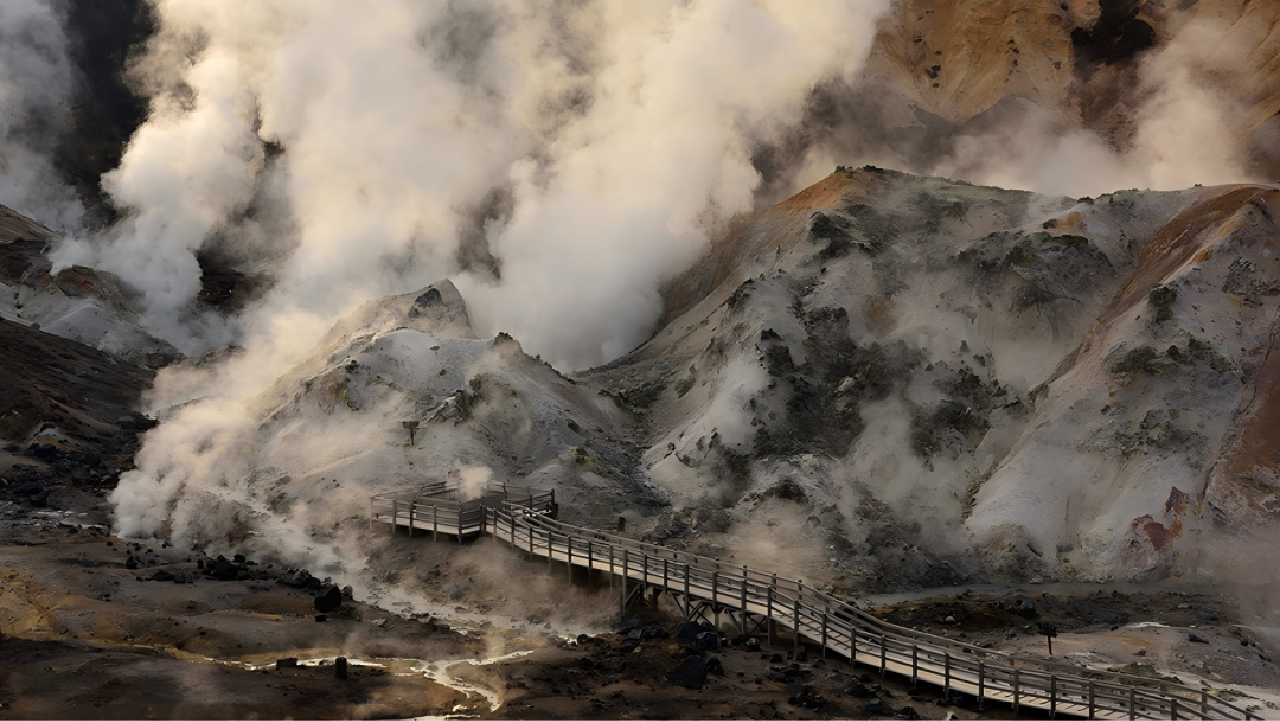
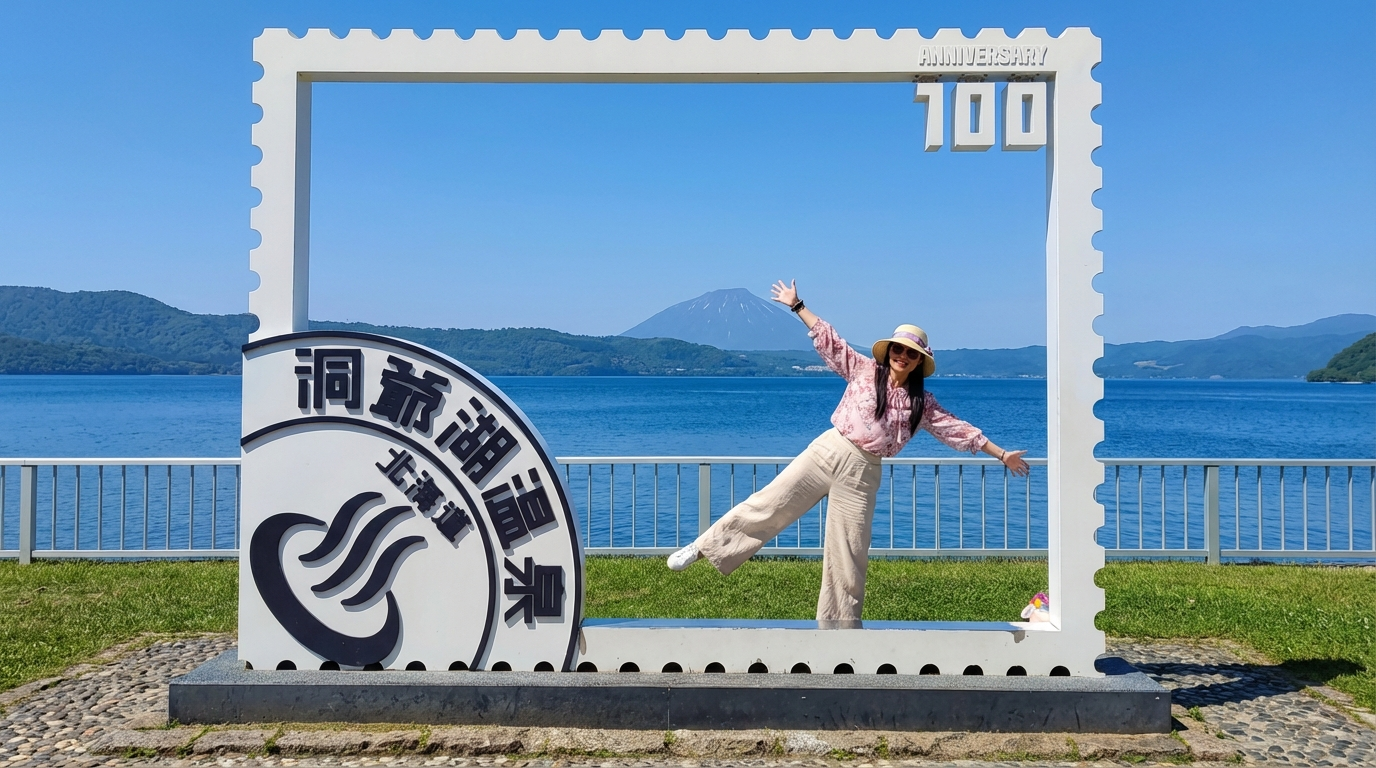
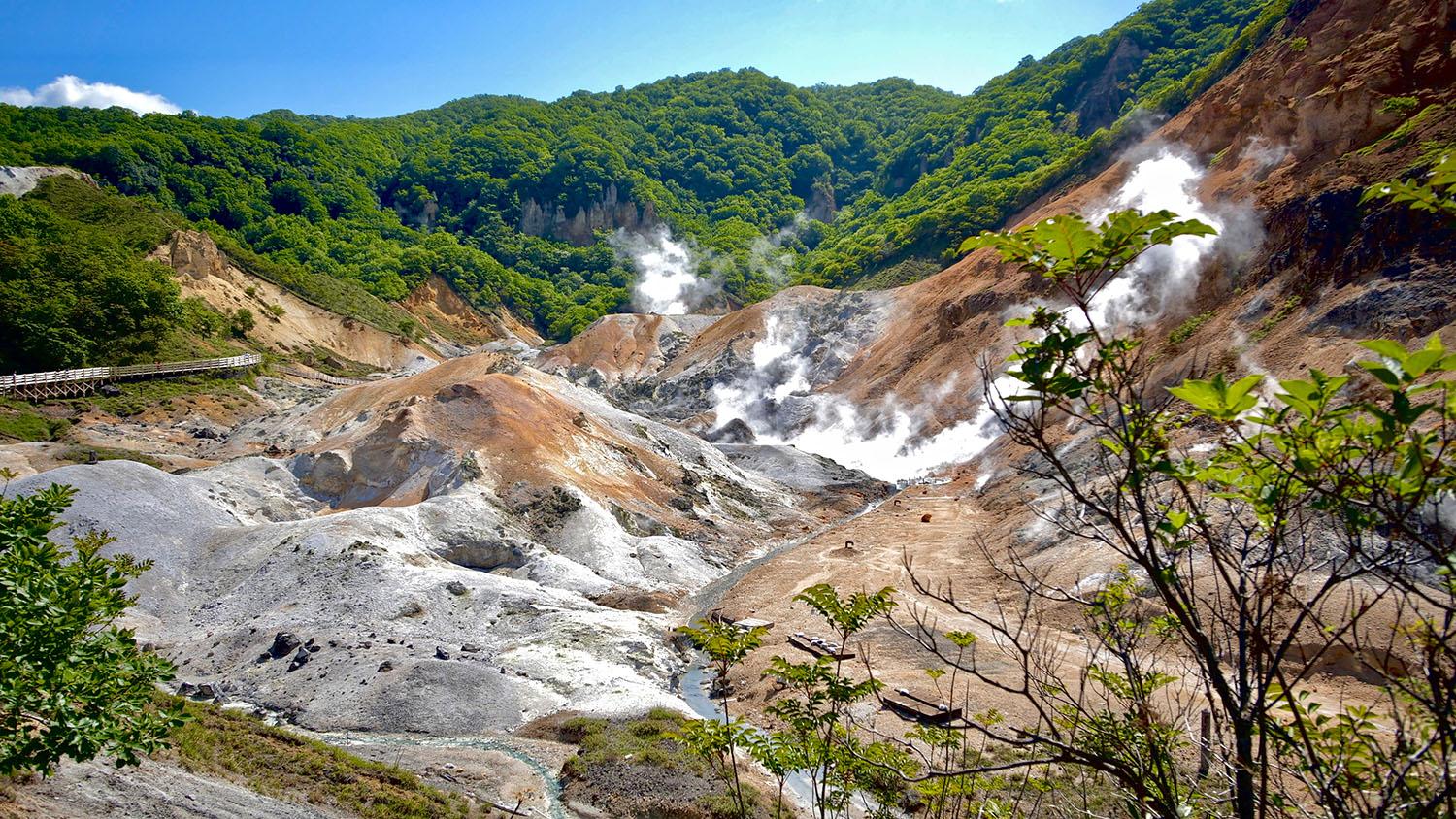
Lake Toya formed 110,000 years ago when a massive volcanic collapse birthed a caldera nine kilometres wide, now filled with water so clear that visibility extends twenty metres down. The lake sits within Shikotsu-Toya National Park, flanked by Mt. Usu and Mt. Showa-Shinzan, both active volcanoes that reshaped the landscape as recently as 2000. Thirty kilometres east, Noboribetsu's Jigokudani—Hell Valley—sends sulfurous steam from eleven distinct thermal spring types, the most diverse geothermal concentration in Japan. The valley floor vents ten thousand tonnes of hot water daily, feeding the town's onsen resorts that have drawn bathers since the Edo period. A Noboribetsu Lake Toya tour from Sapporo traces Hokkaido's volcanic arc in under two hours of road travel, linking geothermal spectacle with caldera tranquility. Most itineraries allocate morning hours to Jigokudani's fumarole trails, where boardwalks cross rust-orange earth and boiling mud pools. The sulfur odor is immediate; the heat radiates through boot soles. By midday, tours pivot to Lake Toya's shore, where the caldera's geometry becomes clear from lakeside observation decks or sightseeing boats that circle the central Nakajima islands. Mt. Usu looms to the south, its 737-metre summit accessible by ropeway for visitors seeking crater rim views. The region's geothermal volatility remains visible in scarred hillsides and subsided roads, remnants of eruptions that closed neighborhoods and rerouted highways. Yet the same forces sustain Noboribetsu's hot spring economy and Lake Toya's microclimatic warmth, which keeps the water ice-free through winter. Day tours from Sapporo condense both landscapes into a single circuit, operating year-round with coach pickups from central hotels. Itineraries typically span eight to nine hours, balancing walking time at Hell Valley's rim trails with shoreline pauses at Lake Toya's western villages, where lunch stops overlook the caldera's mirrored surface and the volcanic peaks beyond.
"The valley floor vents ten thousand tonnes of hot water daily, feeding onsen resorts that have drawn bathers since the Edo period."
A step-by-step walkthrough of the visit — what you'll see, how long each stage takes, and the details that matter.
You board a coach in central Sapporo by 8:30 a.m., heading southwest through Hokkaido's farmland as the Shikotsu-Toya volcanic belt rises ahead. Within ninety minutes, sulfur scent filters through the air vents—Noboribetsu's Jigokudani is near. You step onto boardwalks that traverse rust-stained earth, steam columns hissing from fissures at your feet. The largest fumarole, Tessen-ike, bubbles gray mud at 130°C, its surface cracking and reforming in slow rhythm. You circle the valley rim for forty minutes, pausing at overlooks where the geothermal plume drifts across forested ridges. By late morning, the coach climbs west toward Lake Toya, the caldera spreading below in a perfect oval, its water cobalt against the charcoal slopes of Mt. Usu. You disembark at a lakeside plaza, where sightseeing boats depart for thirty-minute cruises past Nakajima's wooded islets. If the tour includes a ropeway ascent, you rise 500 vertical metres to Mt. Usu's summit station, then walk a short trail to the crater rim, where vents still release faint steam and views extend across the caldera to Uchiura Bay. Lunch is served at a lakefront restaurant—grilled Hokkaido salmon, miso soup, pickled vegetables—before the return leg to Sapporo by late afternoon, the volcanic arc receding in the rear window.
Entry to the Lake Toya area is 0 JPY, though individual attractions charge separate fees.
The best arrival window is 09:00–16:00 for the best views.
Yes, the long-run fireworks display typically occurs nightly from late April to October.
You can take a train from Sapporo to Toya Station followed by a bus, or book a direct highway bus/tour.
Yes, it is a primary landmark often included in a noboribetsu lake toya tour from sapporo.
Many hotels in Toyako Onsen allow day-use bathing for visitors.
Yes, the paths are accessible and the area offers many points of interest for all ages.
A full day is recommended to enjoy the lake, ropeway, and onsen culture.
Autumn is excellent for scenery, while summer is ideal for boat cruises and fireworks.