
10 hr
Hokkaido Nature Escape: Noboribetsu, Cape Chikyu & Lake Toya
Discover volcanic valleys, dramatic coastlines and crystal-clear lakes on this full-day adventure from Sapporo.
Reserve
Hand-picked by our editors — only the best 5 experiences from 12 reviewed.
Verified partners for every tour, free cancellation where available, and instant confirmation on every booking.
10 hr
Discover volcanic valleys, dramatic coastlines and crystal-clear lakes on this full-day adventure from Sapporo.
Reserve
24 hr
Journey through Hokkaido's volcanic wonders, alpine lakes, and geothermal valleys on a full-day escape from Sapporo
Reserve
10 hr
Explore steaming volcanic vents, coastal cliffs, and alpine lake vistas on this guided day trip from Sapporo.
ReservePrices from verified partners. Availability updates in real time at checkout. Free cancellation policies apply where shown.
The landmarks, rooms, and views travelers on this tour remember — all visible on a single visit.
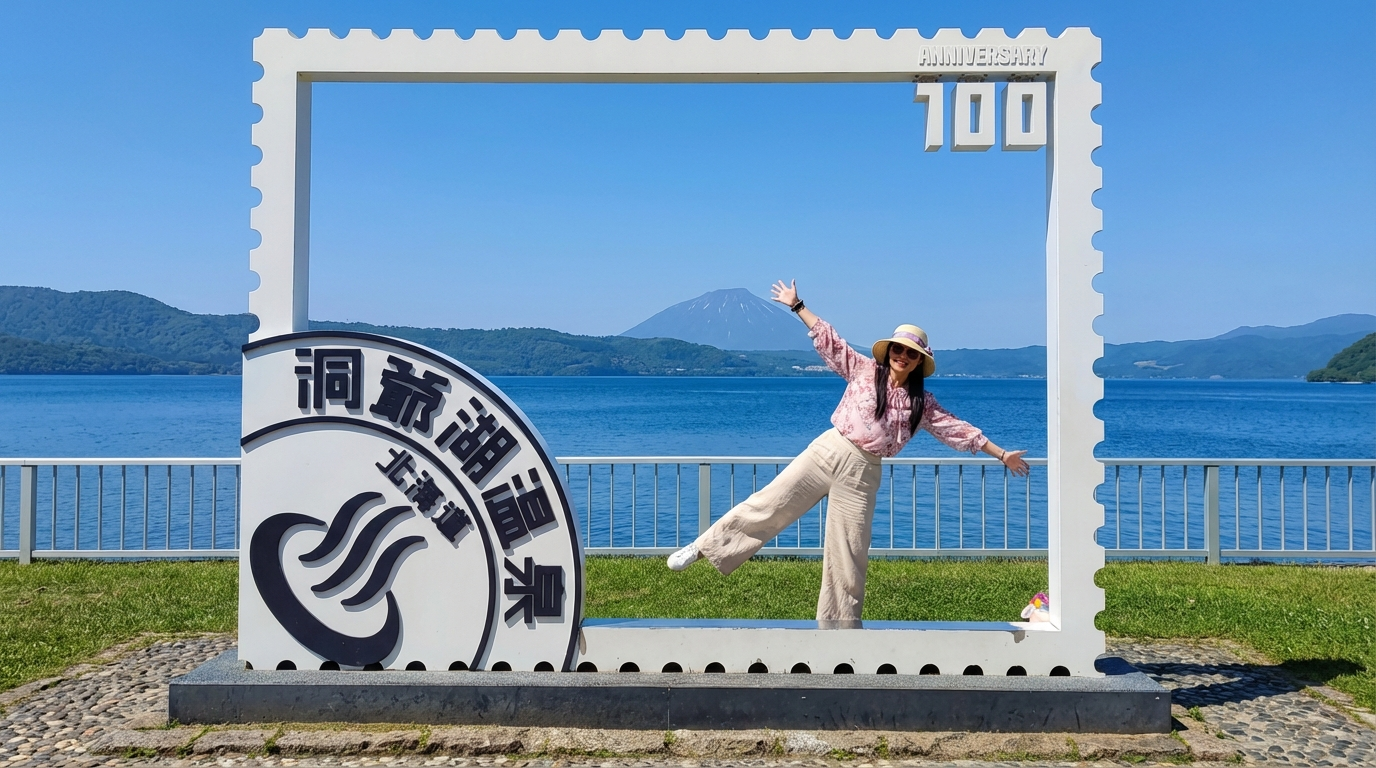
Provides a 180-degree panoramic view of Lake Toya and Nakajima Island. This is the primary spot to observe the volcanic caldera's unique circular shape.
Located on the first floor, this shop features famous Hokkaido sweets like Shiroi Koibito and Royce. It is a convenient place to find local crafts and dairy products.
Features large windows overlooking the lake with 216 seats available for groups. Guests can enjoy regional specialties while taking in the high-elevation scenery.
Offers seasonal sky cruising opportunities for aerial views of the Shikotsu-Toya National Park. This landmark allows visitors to see the active volcanic impact from above.
An outdoor space equipped with seating for enjoying the fresh air and coffee. This area provides an excellent vantage point for capturing images of Mt. Usu and Showa Shinzan.
They complement each other; most visitors who do both call the caldera-focused loop around Toya the more diverse experience compared to the quiet clarity of Shikotsu, provided you plan your noboribetsu and lake toya day tour well.
| Feature | Top pick Lake Toya | Lake Shikotsu |
|---|---|---|
Primary Feature |
Volcanic calderas and hot springs | |
Primary Activity |
Observatory sightseeing and cruises | |
Travel Time from Sapporo |
2.5 hours by car/bus | |
Accessibility |
Connected by major regional bus routes | |
Photography Focus |
Expansive crater views and islands | |
Vibe |
Resort-style with active tourism | |
| See tickets → |
Verdict: Choose the broader noboribetsu and lake toya day tour if you want geological variety, or select Lake Shikotsu for a peaceful, deep-water nature experience.
Choose your ticket, select your date, and reserve in under two minutes. Secure checkout handled by our verified partner.
Instant confirmation by email, with a mobile voucher you can save offline. No printing, no queuing at a collection desk.
Arrive at the entrance, show your voucher on your phone, and walk in. Most tickets include priority or skip-the-line access.
Practical details for your visit straight from our verified partners — hours, access, rules, and how to get there.
Dress in layers as temperatures around Lake Toya can fluctuate quickly. Sturdy walking shoes are recommended for the outdoor observatory deck.
Standard backpacks are permitted. No lockers are available on-site, so please keep personal belongings with you while enjoying the noboribetsu and lake toya day tour.
Photography is highly encouraged, especially from the main viewing deck. Drones are strictly prohibited without prior local authority permission.
The main observatory building and viewing areas are wheelchair accessible. Dedicated parking spaces for those with mobility needs are provided near the entrance.
The facility is family-friendly with ample space for children to move around. Souvenir shops offer snacks and refreshments suitable for all ages.
A restaurant is available on the second floor, and a shop on the first floor sells local Hokkaido dairy products and confectionery. Enjoy a light meal with views of the caldera.
Best time to go, insider tips, nearby landmarks, and the cancellation fine print — flip through to skim what matters to you.
Flexible, no hidden fees.
As this is a public observatory with free entry, no cancellation policy applies. If booking a guided noboribetsu and lake toya day tour, please refer to the specific operator's terms.
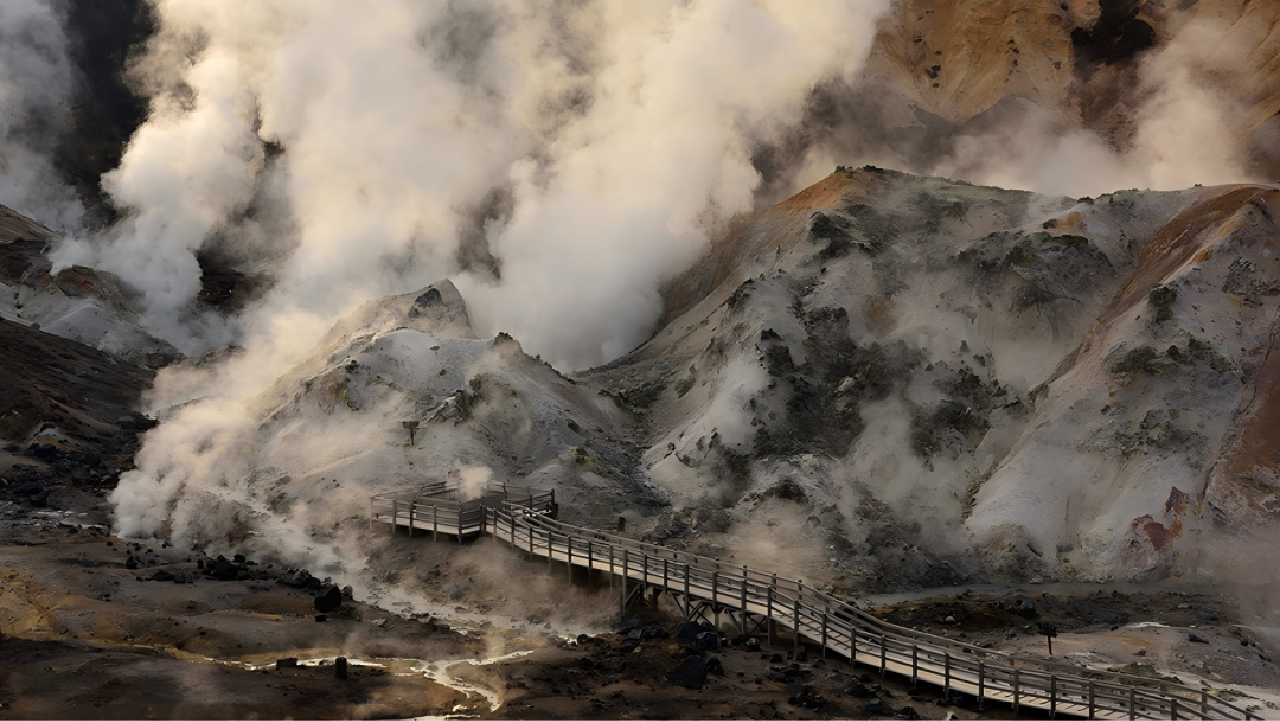
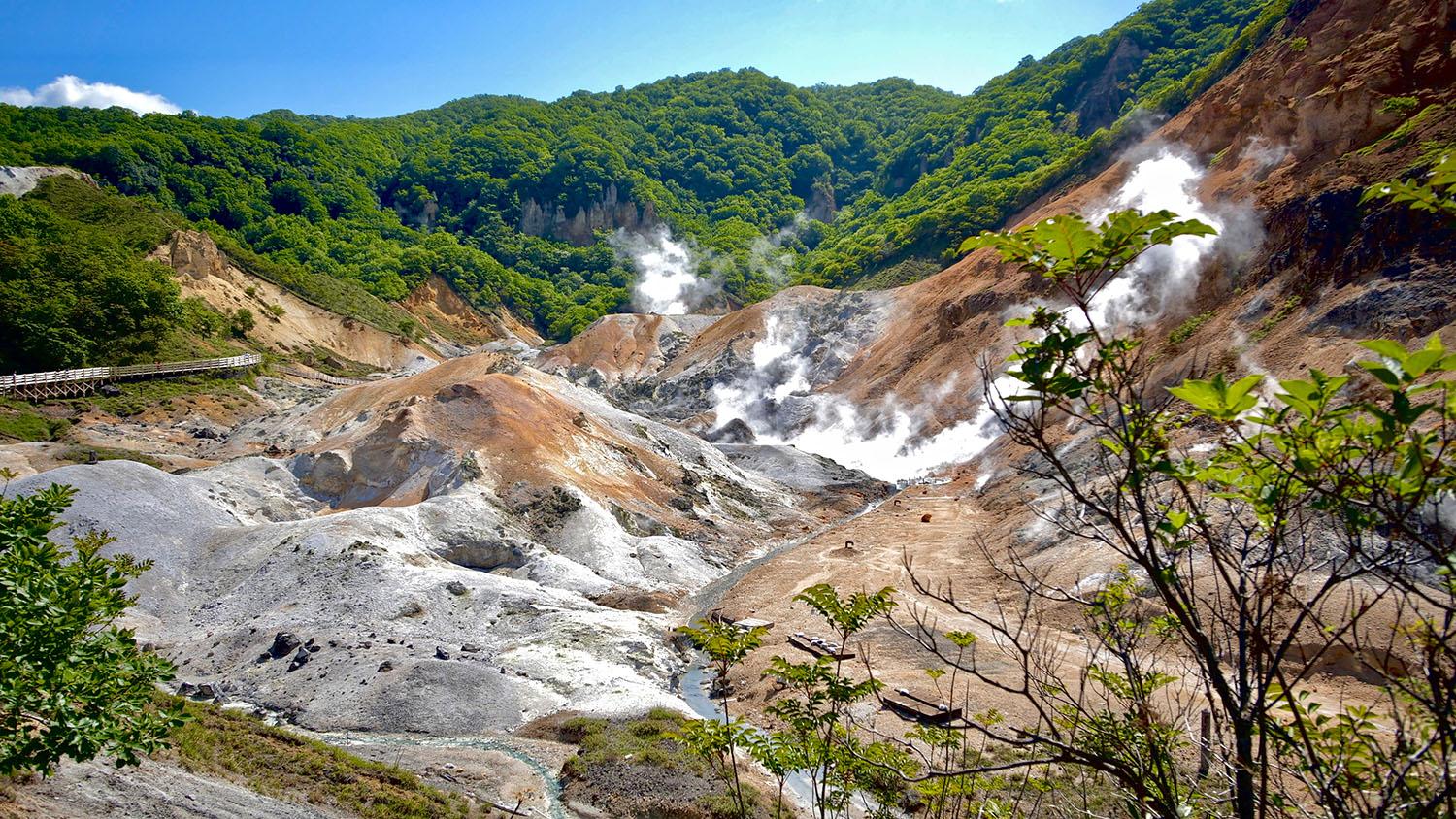
Lake Toya's crater floor filled with water 110,000 years ago, leaving a caldera twenty kilometres across and one of Japan's deepest lakes. The basin sits within Shikotsu-Toya National Park, bracketed by two active volcanic systems that have shaped settlement patterns and economic life across southern Hokkaido for centuries. Thirteen kilometres southeast, Noboribetsu's Jigokudani — Hell Valley — discharges ten thousand tonnes of mineral-rich water daily from fissures that opened during an eruption in the late Pleistocene. The thermal output sustains an onsen industry that predates Meiji-era development, with indigenous Ainu populations using the springs long before commercial bathhouses appeared in the 1850s. A Noboribetsu and Lake Toya day tour connects two distinct geothermal landscapes within a single transit corridor. The volcanic highlands route between them climbs past Usu, an active stratovolcano that last erupted in 2000, scattering tephra across farmland and closing roads for eighteen months. Usu's ropeway ascent delivers unobstructed views of the crater rim and Showa-shinzan, a lava dome that emerged in 1943 and rose to 398 metres within two years. Lake Toya's observation deck at Sailo spans the full width of the caldera, with sight lines extending to Nakajima — four forested islets clustered at the basin's centre. The lake's thermal stratification prevents winter freezing, a hydrological anomaly at 42 degrees north latitude that supports year-round ferry service and a migratory waterfowl population rarely seen at comparable elevations. Hell Valley's boardwalk threads through sulphur beds and fumarole fields where surface temperatures exceed 80 degrees Celsius. The emissions colour the valley floor in oxide gradients — burnt sienna, cadmium yellow, streaks of malachite green where copper leaches through fractured basalt. Dissolved minerals travel through underground channels to feed Noboribetsu's onsen quarter, where bathhouse chemistry varies by source spring. Itineraries that pair the volcanic circuit with caldera access compress Hokkaido's geothermal range into eight hours, beginning and ending in Sapporo or Hakodate. Tours departing Lake Toya operate daily from 8:30, with return legs timed to the caldera's evening light.
"Lake Toya's thermal stratification prevents winter freezing, a hydrological anomaly at 42 degrees north latitude."
A step-by-step walkthrough of the visit — what you'll see, how long each stage takes, and the details that matter.
You depart Sapporo before sunrise, heading south through farmland that flattens toward the coast before the road pitches upward into volcanic highlands. The first stop anchors at Lake Toya's northern shore, where the observation deck frames the caldera in a single sweep — water surface, island cluster, mountain rim. You trace the shoreline west to the ropeway base at Usu, riding enclosed cabins 500 vertical metres to the crater's edge. The summit platform overlooks Showa-shinzan's rust-coloured dome, steam venting from fissures that remain hot decades after the lava cooled. The route turns inland toward Noboribetsu, descending through cedar forest into the onsen district. You walk Hell Valley's elevated boardwalk, sulfur vapour rising in plumes that obscure the far slope. The ground underfoot radiates warmth even through boot soles; mineral crust cracks audibly as thermal expansion shifts the surface. Interpretive markers identify chemical compounds by colour — yellow for native sulfur, white for alum, green for ferrous salts. The return leg threads back through Toyako Town, stopping at the lakeshore park where the caldera catches afternoon light. You board the coach by 18:00, reaching Sapporo as the city grid illuminates against the Ishikari Plain.
The observatory is open daily from 08:30–18:00.
No, the entrance fee is 0 JPY (Free entry to the lake and observatory areas.).
Late spring through early autumn provides the best weather for outdoor activities and viewing the caldera.
Yes, the Silo Observatory features a second-floor restaurant and a ground-floor shop with local snacks.
Yes, visitors are welcome to take photos for personal use; please avoid using equipment that obstructs paths.
The best arrival window is 08:30–10:30 to avoid peak afternoon tour bus crowds and secure the best lighting.
Yes, the facility is accessible and offers a comfortable environment for visitors of all ages.
You can reach Lake Toya via rental car or by taking a train to Toya Station followed by a local bus.
Yes, you can easily combine your visit with the Usuzan Ropeway or the Toyako Visitor Center.